






Don't miss a gem


The NAJ’s IRV moves to formalise what the market has already made unavoidable
The Institute of Registered Valuers now requires diamond screening in every valuation, marking a clear shift in how the trade responds to the rise of lab-grown stones

On paper, it reads like a procedural update. In reality, it’s a line in the sand. Because the market has already changed — and this is the profession catching up to it.
For years, the distinction between natural and lab-grown diamonds has been discussed, debated and, at times, blurred.
Now, it’s operational.
Advances in technology mean synthetic diamonds are not only more prevalent, but increasingly difficult to distinguish using traditional methods. The risk is no longer theoretical — it sits directly within the valuation process.
Without screening, valuers face a simple problem with serious consequences:
misidentification.
And with that comes inaccurate valuations, disputes, and growing professional liability.

Heather Callaway in focus — where precision meets trust, and every detail matters
What the IRV has done is remove ambiguity.
Screening is no longer recommended.
It is required.
That shift is important because it transforms diamond identification from a best practice into a minimum standard — something every professional valuer is expected to deliver as part of their core service.
It also sets a wider benchmark beyond IRV members, signalling where the entire valuation sector is expected to move.
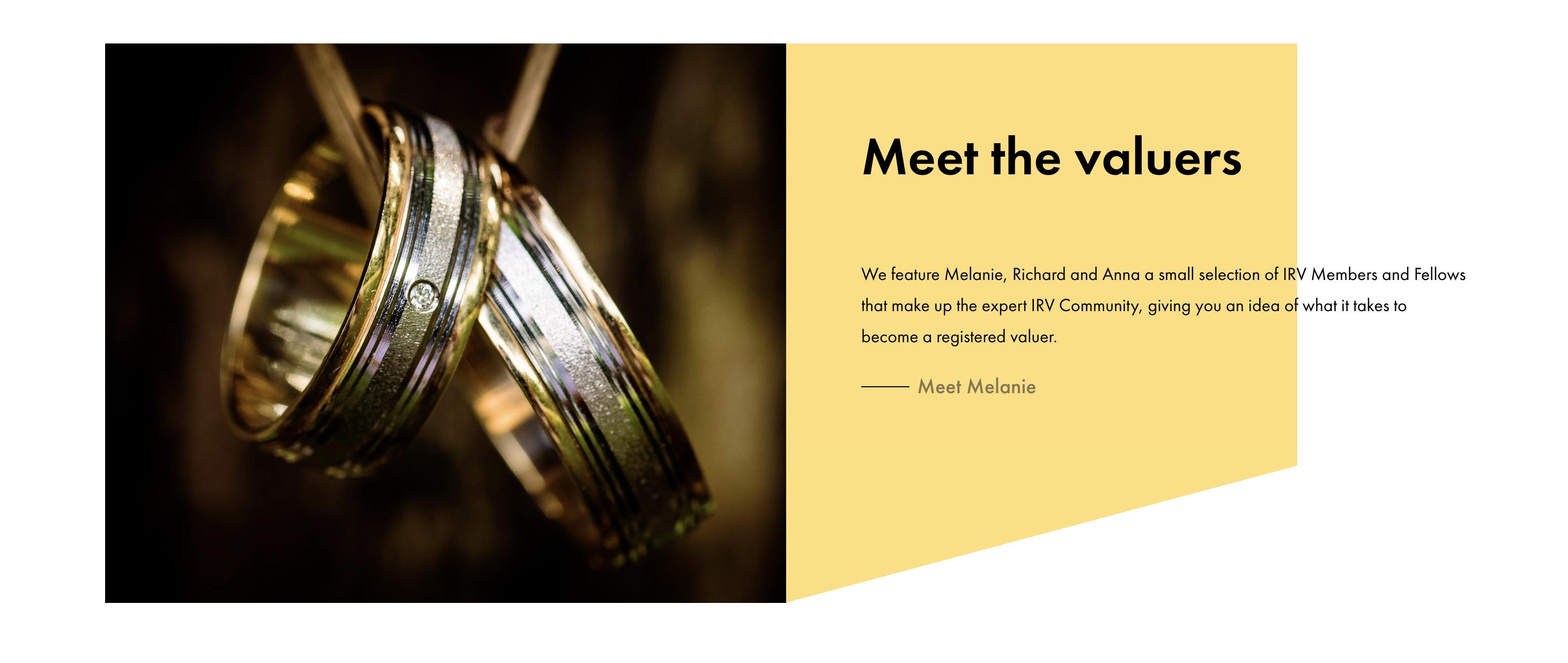
Meet the valuers — the experts behind every accurate assessment, bringing clarity, confidence and credibility to the jewellery world
At its core, this is about protection.
Protection for the valuer — reducing exposure to error and dispute.
Protection for the client — ensuring transparency and accuracy.
But it also plays into something bigger: credibility.
In a market where trust is increasingly scrutinised, the ability to demonstrate due diligence is no longer optional. It is a differentiator.
And the IRV is making that explicit.
One of the more strategic moves sits behind the scenes.
The IRV is engaging with insurers to ensure these enhanced standards are recognised — effectively linking professional compliance with insurability and risk assessment.
That has knock-on implications.
Because if insurers begin to expect screening as standard, this doesn’t stay within IRV membership. It becomes an industry-wide expectation.
This is not just about valuers.
It touches retailers, insurers, suppliers and ultimately consumers.
As lab-grown diamonds continue to sit alongside natural stones in the market, clarity becomes essential — not just in pricing, but in identification.
What the IRV is doing is formalising that clarity at one of the most critical points in the jewellery lifecycle: valuation.
The Institute of Registered Valuers — setting the standard for accuracy, accountability and trust in jewellery valuation
This is one of those moments where the industry quietly resets itself.
No big campaign. No headline announcement beyond the trade.
But the impact is significant.
Mandatory screening acknowledges what everyone already knows:the diamond market has fundamentally changed.
And with that change comes a new expectation of precision.
The real question isn’t whether this standard will hold.
It’s how quickly the rest of the industry aligns with it.
Because once screening becomes the baseline, there’s no going back.
Find out more about the Institute of Registered Valuers and how to join: naj.co.uk/what-is-an-irv
Learn more about NAJ and its role in shaping UK jewellery standards: .naj.co.uk
Meet the valuers naj.co.uk/institute-of-registered-valuers
Read the code of practise here: naj.co.uk/write/MediaUploads/IRV/Code_of_Practice_for_MIRVs_and_FIRVs_2023.pdf
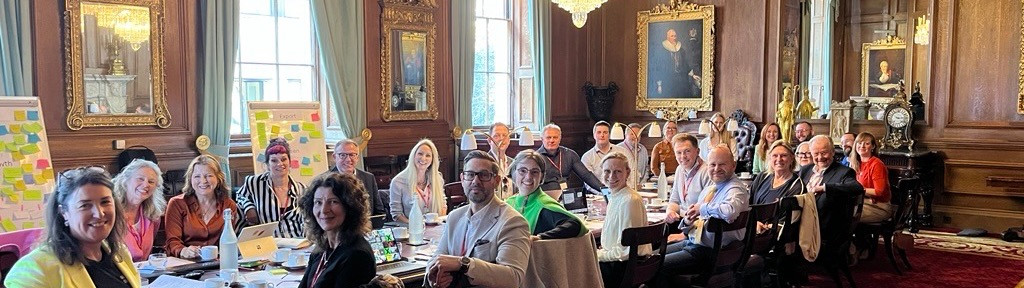
INSIGHTSJUL 19, 2025
UK Jewellery Sector Demands Government Action for Small Businesses
UK jewellery and allied craft leaders unite to call for urgent government reform, highlighting the structural challenges facing small and microbusinesses.
READ MORE
GJEPCJUL 27, 2025
A Pact Signed in Power — and Sealed in Gold
India–UK FTA signed by Modi and Starmer unlocks $2.5bn trade vision for Indian jewellery exports
READ MORE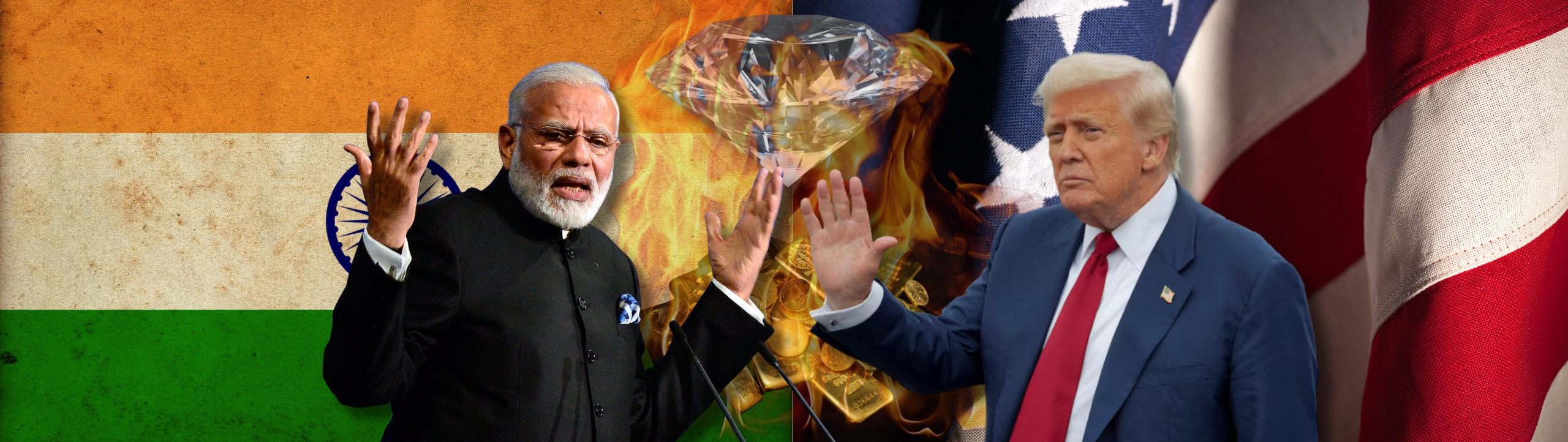
INDUSTRY & POLICYAUG 8, 2025
Tariff Shock – What Trump’s 50% Duties Mean for India’s Gold, Jewellery & Diamond Trade
India’s jewellery and diamond industries face unprecedented pressure as US tariffs jump to 50%, prompting official backlash and rapid readjustments in trade strategies.
READ MORE